Quiet Close Modern Technology: Residential Garage Door Openers Explained
A quiet garage door is more than a detail for early birds and night shift workers. It indicates a system in equilibrium, where the hardware, springs, opener, and door all relocate the way they were developed to. If the goal is a soft hum rather than a rattle and clang, peaceful close innovation sits at the facility of that outcome. The phrase packages motor control, drive systems, and resonance management right into one assurance, and the best property garage door openers now deliver it consistently.
I have actually invested years defining, setting up, and servicing Residential Garage Door Openers in neighborhoods where bedrooms rest straight over the garage. The distinction between a noisy chain drive from 2008 and a modern belt-driven DC device with soft start - soft quit is night and day. Families see. Family pets observe. Next-door neighbors observe much less, which is the point.
What silent close really means
Quiet close technology describes the opener's capacity to start and stop without snagging the door, to control speed much more precisely across the complete traveling, and to prevent sending resonance into the framing. That occurs when 5 items collaborate: a DC electric motor, a belt or direct drive, an inflexible rail with resonance isolation factors, effectively well balanced springs, and low-friction door equipment like nylon rollers and well-aligned joints. Miss any kind of one of those and the system gets louder, occasionally a little, occasionally a lot.
Most older openers utilized air conditioning electric motors that performed at one rate. When you struck the switch, the electric motor jumped to that rate, which tugged the chain. The chain tugged a door that was commonly out of balance. The opener needed to muscle mass through sticking factors, so you listened to the motor buzz, the chain slap, and the door panels creak. Modern DC motors, by contrast, are regulated by a board that ramps power in and out. That soft start relieves the trolley right into movement, the soft stop slows it near the flooring and the header, and the belt takes in micro-shocks rather than moving them to the ceiling joists.
If you gauge with a mobile phone application a few feet from the opener, a normal belt-driven DC unit registers around 45 to 55 dB throughout traveling. Chain drives of similar ability often land in between 60 and 70 dB. That 10 to 15 dB gap is not refined in a silent home at 6 a.m.
Drive types contrasted through the lens of noise
Chain drive has its place, specifically for separated garages or heavy carriage-style Residential Garage Doors where budget is tight. The steel chain is long lasting and budget-friendly, but it calls like a tiny conveyor and requires regular lubrication. It can be tuned to act, yet it rarely wins the quiet contest.
Belt drive makes use of a steel-reinforced polyurethane or rubber belt. The belt slides, so the sound profile is more of a reduced whispering. Match a belt drive with a DC electric motor and a stiff, one-piece rail, and you go into the peaceful close group rapidly, even on 16 by 7 protected doors.
Direct drive turns the setup so the electric motor itself relocates along the rail, lugging the trolley with it. Less relocating parts means less sources of rattle. These are whisper-quiet when installed cleanly, and they succeed with lighter Residential Garage Doors.
Wall-mount or jackshaft openers rest sideways of the door and spin the torsion tube directly. With no overhanging rail, you get rid of a large resource of vibration. Correctly set up, a wall-mount can be the quietest of all, particularly with protected steel doors and freshly serviced torsion bearings. The catch, if you have a low-headroom setup or non-standard springtime arrangement, is geometry and cost. Sometimes you can not install one without revamping the spring line. When space and budget permit, they do beautifully.
The DC electric motor advantage
A peaceful door begins with a motor that pays attention. DC motors permit variable rate control, so you are not stuck to a single on-off ramp that containers the door into activity. The majority of silent close Residential Garage Door Openers use DC electric motors rated with "comparable horsepower" or Newtons. The numbers differ by maker, however a typical pleasant spot for standard two-car doors is the 3/4 HP equivalent. If your door is added vast, added high, or wood overlay with actual heft, step up to a more powerful unit rather than asking a smaller electric motor to go for its side. A motor that is straining gets louder over time and reduces the life of the equipment train.
Soft start - soft quit is one of the most noticeable benefit of DC, yet the much less evident one is torque picking up. The control panel can respond to added resistance, backing off or stopping to shield the door and the opener. Properly adjusted, that keeps a peaceful system quiet, since it protects against repeated knocking into the floor or header.
Battery backup also tends to ride along with DC styles. When a tornado hits and the power blinks, you can still open up the Garage Door smoothly. Battery back-ups do not transform noise straight, but they keep you from forcing the door by hand, which commonly triggers a loud imbalance later.
The hidden fifty percent of quiet: the door and hardware
You can not screw a peaceful opener to a loud, out-of-balance door and anticipate a wonder. When I get an ask for Garage Door Repair Service Near Me and the property owner claims the opener is "screaming," I begin by drawing the launch and relocating the door by hand. A properly balanced door, with torsion springtimes tensioned to match the door's weight, ought to float when you raise it to waist elevation. If it bangs shut or rockets up, the springs are incorrect. Springs are precision parts and under hefty tension, so this is not a DIY work. Employ a certified Garage Door Solution professional. Balance initially, after that examine the opener.
Rollers matter nearly as high as springtimes. Nylon rollers with closed bearings roll silently and track right. Switching from old steel rollers to high quality nylon can go down regarded sound by a meaningful margin, often as much as half the subjective volume in the home above the garage. Hinges with worn knuckles rattle; change them. Track alignment that squeezes or bows the rollers creates squeaks and scuffs that no opener can conceal. A couple of millimeters of modification along the jamb braces can silence an entire carolers of metal sounds.
Door insulation contributes, not totally for temperature. A protected steel sandwich door damps panel vibration. Uninsulated pan doors behave like drums. If you knock on the within and it booms, your opener will make it vibrate under lots. When house owners budget for a new Residential Garage Door Installment and quiet is high up on the list, I recommend an R-9 to R-18 insulated door. It tightens up the whole system.
Real-world examples from the field
In a Schererville split-level with a bedroom over the garage, the family had a 16 by 7 frying pan door and a 15-year-old chain drive. The opener was not falling short, yet the noise transferred right into the floor joists like an adjusting fork. We maintained the door for another period to aid with budget plan, swapped to a belt-driven DC system with a single-piece rail, mounted nylon rollers, and tuned the tracks and springs. The little ones maintained sleeping through early departures the next morning. They later on upgraded the door to insulated steel, which took the sound down one more notch.
In Valparaiso, a high 8 by 10 door in a connected garage had a good belt drive but a busted springtime and ovaled hinge openings. As soon as the springtimes were replaced and the joints tightened up, the "loud opener" turned out to be quiet the whole time. The property owner thought he needed a new maker. What he needed was Garage Door Repair Valparaiso from somebody that pays attention to the door first, the opener second.
In Crown Point, a client selected a wall-mount opener due to a vaulted ceiling and wanted one of the most very discreet procedure feasible. The door was a hefty cedar-faced version. We included a center strut to tense the leading section, updated end bearings on the torsion tube, and set a small open rate with a gentle close profile. That system is one of the quietest I have ever heard regardless of the door's mass. The jackshaft maintained resonance off the ceiling entirely.
How installation details form the sound you hear
Quiet close innovation radiates when the information are right. An opener rail that is available in numerous bolted areas is practical for delivery, but every joint is a prospective clack or flex factor. On larger doors, I choose a one-piece rail. The difference can be a few decibels in the garage and a lot more in the space above, since bending rails send low-frequency resonance into the structure.
Mounting hardware matters too. If the opener's header brace is screwed to drywall or a single thin board, or if the ceiling straps are short and stiff, the electric motor's little vibrations become structure-borne noise. Longer angle iron, rubber or neoprene isolation washing machines, and delaying into strong mounting all minimize that transfer. On a current Garage Door Repair work Hobart telephone call, we cut the sound dramatically by changing undersized perforated strap with stiff angle iron hung from joists with seclusion pads. No new opener required.
The trolley and door arm geometry also figure in. If you establish the arm as well long or too short, the opener combats the door at the start and surface of travel. Rearrange to establish an angle that stays clear of binding, and you remove a typical thump that several home owners error for a motor problem.
Smart features that serve a peaceful life
Most modern-day Residential Garage Door Openers include clever connectivity. That does not change the physics of sound, yet it assists with a calmer routine. If you can close the door from your phone when you fail to remember after a late grocery run, you stay clear of the 11 p.m. Open-close cycle that wakes the house. Timer-to-close, motion-activated lights, and silent alarm chimes that verify a command all add to relaxed procedure. When we complete a Garage Door Setup, we go through these functions since utilizing them well reduces unnecessary cycles, which minimizes wear and maintains the system quieter, longer.
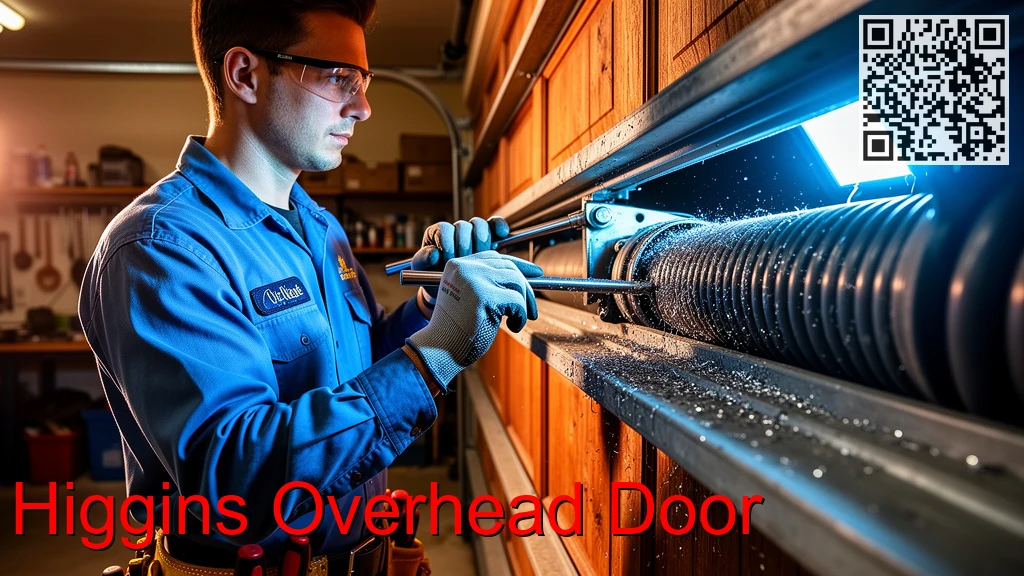
Some smart systems also activate the opener lights before motion starts. A lit garage suggests fewer stubbed toes residential garage door repair and went down products, which is its very own type of quiet.
The house owner's quieting checklist
- Listen with the opener disengaged, relocating the door by hand. If it binds or will not float, routine Garage Door Service to deal with spring equilibrium and track alignment.
- Upgrade high-friction parts: nylon rollers with covered bearings, fresh facility and end bearings on torsion systems, and any careless hinges.
- Isolate resonance throughout installation: one-piece rail when feasible, rubber washers at placing factors, and safe and secure angle iron into strong framing.
- Choose a belt-driven DC opener or a wall-mount when geometry and budget plan permit, and match electric motor toughness to door weight and size.
- Lubricate the ideal locations twice a year with a silicone or lithium-based product: rollers, joints, and springs. Skip the opener rail if it has a belt; the belt does not want grease.
These 5 actions fix the sound issue in nine cases out of 10. The tenth is normally a door panel vibration concern that benefits from a shielded replacement or included struts.
When peaceful close goes wrong
Even excellent systems can obtain loud. A soft beginning - soft stop device that knocks at the end of travel likely has travel limitations set as well aggressively, or the floor seal altered density during a weatherstrip substitute. I have seen a fresh, taller rubber bottom seal grab the flooring prematurely and perplex the force calibration. Resetting limitations and re-running a pressure find out cycle brings back the down pillow and the quiet close behavior.
Another offender is a frayed belt or a loose belt tensioner. Belts extend a little in the first couple of months. If you listen to rhythmic slapping or see the cart wait then lurch, examine belt tension as defined in the handbook. A quarter inch of deflection at midspan prevails, however follow your design's guidance.
For wall-mount systems, a chirp or grind usually traces to the torsion tube's end bearing plates. When those bearings dry or use, television sings. A Garage Door Repair Munster or Garage Door Repair Schererville technician can swap bearings in under an hour for the most part, and the audio vanishes.
Safety stays the line you ought to not cross
I encourage home owners to clean tracks, lubricate rollers, and test photo-eyes. I attract a hard line at springtime work. Torsion springtimes lug sufficient stored energy to break bones. If the door feels hefty or irregular, or if the wires on the drums look torn, call a pro. That uses whether you are in Cedar Lake, Chesterton, Crown Factor, Hammond, Hobart, Lake Terminal, Merrillville, Portage, St. John, Valparaiso, or Whiting. Any type of reputable shop handling Garage Door Repair work Cedar Lake or Garage Door Repair Whiting will certainly state the same. A silent door is a safe door, and safety begins with correct springs and cables.
What to expect throughout a specialist visit
A good professional will certainly ask about the sounds you observe. Do they occur at the start, mid-travel, or near the flooring? They will certainly after that decouple the opener, evaluate balance, and cycle the door by hand. Anticipate measurements of spring cable, coil count, and inside diameter if replacement is required. Rollers get inspected for split tires or took bearings. Hinges get checked for play. Track plumb and positioning obtain corrected. Only after the door passes the hand-operated examination needs to the opener be changed or replaced.
If you ask for a new opener, the installer ought to validate clearance, backroom, and side space to choose whether an above belt drive or a wall-mount makes even more sense. They will certainly select a rail size that matches your door elevation, place into structural framework, and program traveling limitations and pressure. A top quality set up consists of security turnaround examinations with a 2 by 4 laid flat and a photo-eye obstruction examination. It likewise consists of a gentle speed profile that satisfies peaceful close assumptions without compromising safety.
Costs, value, and how to choose
Quiet does not need to damage a budget, but high quality matters. In the majority of markets, a belt-driven DC opener with incorporated LED lights and Wi-Fi runs in the range of a few hundred dollars for the device and several hundred for expert installation, depending on rail kind, ceiling elevation, and whether you add Residential Garage Door Add-on like a keypad or extra remotes. Wall-mount systems cost more, and sometimes need extra parts like a torsion tube lock or upgraded bearings, which adds to labor.
If your existing door equipment is worn out, think about bundling a roller upgrade and a full tune-up with the opener install. The consolidated result often feels like a brand new Garage Door without buying one. For households planning a full Residential Garage Door Setup in the following year, it is still sensible to set up the opener now, then transfer or remount it when the brand-new door gets here. A peaceful opener remains peaceful on a peaceful door, and serviceable rails and mounts can be recycled with minor adjustments.
A brief customer's snapshot
- Belt-driven DC openers supply the very best quiet-to-cost proportion for the majority of connected garages.
- Wall-mount openers are the quietest choice when torsion setup and side clearance allow.
- Nylon rollers, balanced springtimes, and exact track positioning make or damage the result.
- One-piece rails and resonance seclusion at mounts lower structure-borne sound upstairs.
- Smart attributes assist your routine, which indirectly maintains a quieter system over time.
Use this as a starting factor instead of an inflexible dish. Residences vary. A block cattle ranch in Merrillville responds in a different way than a two-story in St. John with bedrooms over the garage. Pay attention to your home as long as the hardware.
Locally grounded service matters
Searches for Garage Door Companies Near Me will certainly surface loads of choices, yet the best partner procedures twice and turns a wrench when. In Lake Terminal or Hammond, winter months cold can thicken lubricants and tense bottom seals, a little thing that can increase opener pressure and sound until spring. In Portage, near the lake, salt can quicken roller deterioration. In Chesterton and Hobart, homes with benefit rooms over the garage require extra interest to resonance seclusion. Shops that do regular Garage Door Repair work Chesterton, Garage Door Repair Hammond, and Garage Door Repair service Hobart understand these patterns and stock the right parts.
If you reside in Crown Factor, Schererville, or Munster and have actually an older detached garage, a chain drive may still make sense due to the fact that its noise does not enter the space. That claimed, even separated garages gain from quiet openers if the structure works as a workshop. Conversation-level noise indicates you can chat on the phone while the door actions without shouting.
Maintenance rhythm that maintains the peace
Quiet close is not a one-and-done setting. It is a state you keep. Twice a year, offer the system fifteen minutes. Wipe the track interiors to remove grit. Apply a small amount of garage door lube to hinge knuckles and roller bearings, just enough to wet the surface areas without trickling. Never ever snuff the track itself; the rollers want a tidy steel network. Check the safety turnaround by positioning a board under the door and verifying it turns around within 2 seconds of call. Inspect photo-eye positioning with the built-in indicators, and delicately tidy the lenses. Tighten up any kind of loose lag screws at the opener's installing points.
Every couple of years, or at any time the door begins to appear different, timetable Garage Door Service. A pro will retension springs if required, change worn rollers before they fall short, and update opener firmware where applicable. This rhythm protects against the slow, slipping increase in noise that the majority of property owners approve till it becomes a shout.
The convincing situation for quiet
If you are disputing whether peaceful close innovation deserves it, take into consideration 3 lenses. Initially, lifestyle. The difference between a thump and a hush when a teenager gets home late is the difference in between waking up and surrendering. Second, equipment durability. Smooth ramps and well balanced force decrease mechanical shock, which extends the life of gears, belts, and joints. Third, home value. Purchasers going through a revealing notice a smooth, silent Garage Door more than they understand. It signals a home took care of in the details.
I have yet to meet a property owner who wanted their garage door were louder. The path to silent is clear: stabilize the door, minimize rubbing, isolate vibration, and select an opener built for soft beginning - soft stop. Whether you ask for Garage Door Repair Work Merrillville after a cable battle royal, schedule Garage Door Repair Portage to repair an out-of-square track, or intend a full Residential Garage Door Setup with a modern-day belt drive, commit to the quiet standard and make every open and close component of a calmer home.